Introduction
Within This Page
The intent of this guide is to provide information regarding the state of the art of vegetative roof design and construction.
Vegetative roofs, also known as green roofs, are thin layers of living vegetation installed on top of conventional flat or sloping roofs. We have chosen to use the word "vegetative" rather than the word "green" in this guide because a non-vegetative roof could be considered to be environmentally "green" without being vegetative. For example, due to it being white and therefore mitigating heat gain within the building and reducing heat island contribution, a white non-vegetative roof might be considered as being "green" or environmentally friendly. In other words, "green" has too broad of a connotation to be clear for use in this guide, and we recommend that the industry adopt the nomenclature "vegetative," rather than the overly broad "green."
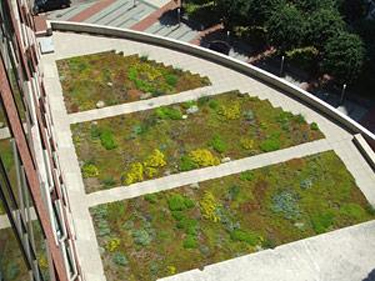
Figure 1. Four Seasons Hotel, Boston, MA. Designed by Roofscapes, installed in 2004. In 2009 APEX Green Roof began maintaining the roof. System Depth: 4 inches
Photo courtesy of Richard Keleher Architect
Vegetative roofs are divided into two categories: 1) extensive vegetative roofs, which are 6 inches or shallower and are frequently designed to satisfy specific engineering and performance goals, and 2) intensive vegetative roofs, which may become quite deep and merge into more familiar on-structure plaza landscapes with promenades, lawn, large perennial plants, and trees. With respect to the vegetative overburden, this guide addresses only the more shallow extensive vegetative roofs.
The challenge in designing extensive vegetative roofs is to replicate many of the benefits of vegetative open space, while keeping them light and affordable. Thus, the new generation of vegetative roofs relies on a marriage of the sciences of horticulture, waterproofing, and engineering.
The most common 4 extensive vegetative roof cover in temperate climates is a single un-irrigated 3– to 4–inch layer of lightweight growth media vegetative with succulent plants and herbs. In most climates, a properly designed 3–inch deep vegetative roof cover will provide a durable, low maintenance system that can realize the many benefits that vegetative roofs have to offer. Some manufacturers consider a landscape up to 8 inches deep to be extensive systems.
Description
A. Features
All well-designed extensive vegetative roofs include subsystems responsible for:
-
Drainage: Vegetative roof drainage design must both maintain optimum growing conditions in the growth medium and manage heavy rainfall without sustaining damage due to erosion or ponding of water.
-
Plant nourishment and support: The engineered medium must be carefully designed to provide for excellent plant growth, no wind scouring, and proper water holding capacity.
-
Protection of underlying waterproofing systems: Vegetative roof assemblies must protect the underlying waterproofing system from human activities (including the impact of maintenance) and biological attack, and solar degradation. A capillary break immediately above the membrane is required for most membranes.
-
Waterproofing systems: Waterproofing is critical for protecting the structure from water intrusion.
-
Insulation systems: Insulation is critical for saving energy.
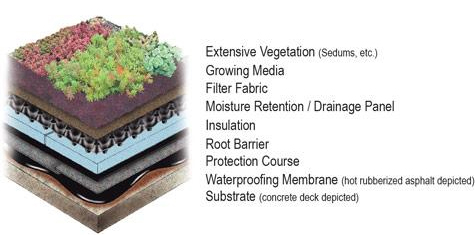
Figure 2. Generic Extensive Green Roof on a Concrete Deck
Image courtesy of American Hydrotech
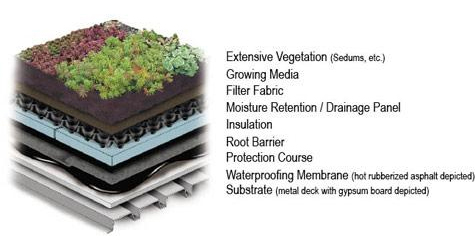
Figure 3. Generic Extensive Green Roof on a Steel Deck
Image courtesy of American Hydrotech
A capillary break layer is necessary on many if not most membranes to prevent water from sitting on the membrane and causing deterioration. A few membranes, hot rubberized asphalt in particular, do not require this capillary bricklayer, because they are impervious to the effects of standing water.
A wide range of methods can achieve these functions. For instance, drainage layers may consist of plastic sheets, fabric or synthetic mats, or granular mineral layers. Similarly, the physical properties and performance characteristics of growing media (engineered soils) and plant materials may vary with the climate, plant community, or engineering requirements. Figure 2 shows a generic cut-away of a common type of vegetative roof assembly that utilizes a lower granular drainage layer in combination with an upper growth medium or substrate.
The selection of a particular approach may depend on performance-related considerations, such as runoff control, drought-tolerance, biodiversity, appearance, or accessibility to the public. While many pre-engineered systems are currently available, it is frequently necessary to customize these systems to satisfy specific performance objectives.
B. Benefits
There are many potential benefits associated with extensive vegetative roofs. These include:
- Controlling storm water runoff
- Improving water quality
- Mitigating urban heat-island effects
- Prolonging the service life of roofing materials
- Conserving energy
- Reducing sound reflection and transmission
- Improving the aesthetic environment in both work and home settings
- Mitigation of wildlife
- Cost/benefit.
As a result vegetative roofs may be appropriate as an addition to many types of buildings, including commercial, industrial, institutional, and residential settings. On the other hand, the additional cost, possible water usage to irrigate the plants, and required ongoing maintenance may make them less appropriate.
1. Controlling Storm Water Runoff
The rapid runoff of storm water from paved areas and roofs contributes to destructive flooding, erosion, pollution, and habitat destruction. The capacity of vegetative roofs to moderate this runoff through both retention (water holding) and detention (flow-slowing) properties has been well-documented in Europe and increasingly in the United States. Vegetative roofs share many engineering features with conventional storm water management basins, and compared to many at-grade storm water management practices, vegetative roof covers are unobtrusive and reliable. Vegetative roofs may offer the only practical "at-source" technique for controlling runoff in areas that do not have adequate space on the ground to readily accommodate other methods of water retention.
Vegetative roof covers are particularly effective at controlling runoff on the large roofs typical of commercial and institutional buildings because typically a greater portion of these roofs can be vegetative than on other building types. Reducing the volume and rate of runoff is important in urban areas because of flooding and water quality impacts (see Water Quality, below), and also in watersheds that drain to streams and other natural water bodies where uncontrolled urban runoff can lead to stream bank erosion and channel degradation, and decreased baseflow. Vegetative roofs provide a means to mitigate some of these impacts from building development projects, particularly when used as part of a suite of low-impact development (LID) practices. Many jurisdictions (i.e. Seattle, Portland, and Philadelphia, to name a few) advocate for a combination of LID practices including vegetative roofs, rainwater harvesting, permeable paving, and bio-retention "rain gardens" to mitigate site impacts on water resources while creating "vegetative storm water infrastructure".
The ultimate storm runoff benefit that can be achieved by a vegetative roof cover is determined primarily by the climate patterns at the site and the design of the system (thickness, media type, and drainage layer construction). They can be designed to achieve specified levels of storm water runoff control, including reductions in both total annual runoff volume and peak runoff rates for storms. Careful selection of material properties, such as the water holding capacity and permeability rates of the growing media, can enhance annual runoff volume reduction and peak flow reduction capacity of the vegetative roof.
Many Western U.S. states have water rights laws that restrict how rainwater landing on a property may be used, as it is considered to be a water-of-the-state. For vegetative roof systems, particularly systems where runoff may be harvested for re-use or irrigation purposes, designers are advised to check with local municipalities to verify the acceptance of vegetative roofs, and specific local agency requirements for such systems.
In contrast, some municipalities such as Chicago have taken the approach of mandating vegetative roofs on new building projects because of the host of benefits it brings to built-out urban areas. Other jurisdictions offer substantial tax benefits and subsidies to promulgate vegetative roofs (Portland, Oregon, and New York for instance).
Reliable techniques for predicting the rate and quantity of runoff from vegetative roof covers have been used successfully to design integrated storm water management measures in Germany, where large zero-discharge developments that rely heavily on vegetative roofs are already operating.
In the U.S., studies have been performed to monitor the performance of vegetative roofs with regard to storm water runoff. Magnusson Klemencic Associates, a Seattle based engineering consulting firm, evaluated and monitored the storm water control performance of five different vegetative roof systems from 2005 to 2007 in the Pacific Northwest climate. Even though this climatic region is characterized by a long rainy season where soils and media are frequently saturated, storm water control capacity was demonstrated for the large storms that can cause urban flooding and sewer overflows. For other climatic regions and smaller storms, vegetative roofs typically have greater capacity for runoff control.
Water retained by a vegetative roof cover is ultimately returned to the atmosphere by evapotranspiration processes. In climatic zones where substantial rainfall occurs during summer months, when evapotranspiration rates are highest, the vegetative roof is able to retain substantial amounts of rainfall and reduce annual runoff volumes. However, in climatic zones characterized by summer droughts and extended winter "wet seasons", such as the Pacific Northwest region, the capacity to reduce annual runoff may be limited by the lack of availability of rainfall during the peak evapotranspiration periods. Reducing runoff volume is a goal of some sustainability metrics, or may be required to restore the health of aquatic resources (e.g. fisheries/salmon runs). How can runoff volume be reduced? Through evapotranspiration, infiltration into the ground, or using harvested water.
That being said, if you can do at-grade landscaping — i.e. rain gardens, bio-swales, etc., it will almost always be more economical than a vegetative roof.
2. Improving Water Quality
By reducing both the volume and the rate of storm water runoff, vegetative roofs benefit cities with combined sewer overflow (CSO) impacts. In cities with combined storm and wastewater sewer systems, storm water dilutes the sanitary waste water, rendering treatment less efficient. During heavy rainfalls these systems also overflow, discharging raw sewage mixed with runoff into the receiving streams, harbors, or oceans, resulting in ecological damage and human health hazards. Therefore, important water quality benefits (reducing CSO) are achieved by controlling runoff in those situations.
In addition, in urban areas, up to 30% of total nitrogen and total phosphorus released into receiving waterways is derived from dust that accumulates on rooftops. Acting as natural bio-filtration devices, vegetative roofs reduce this water contamination. In the Potsdamer Platz district of Berlin, extensive vegetative roofs have been employed on a large scale in an effort to reduce pollution of the River Spree. This is only a factor when an entire community practices storm water reduction, however. This program has demonstrated that extensive vegetative roofs can achieve large reductions in nutrient releases from roofs; however, the research also shows that the correct choices of growing medium and plant types are essential for success.
In some states in the western United States, there are laws that prohibit harvesting of stormwater. However, it appears that some of these laws are being eased. Check with your local code authority.
3. Mitigating Urban Heat-Island Effects
Covering dark conventional roofs with vegetative roofs can significantly reduce the temperature above the roof. Vegetative roofs have been shown in several studies, including the referenced Columbia University study, to provide comparable benefits to white or reflective roof surfaces in reducing the ambient air temperature. Unlike white roofs, which tend to lose the ability to reduce temperature as they age, vegetative roofs continue to have the ability to mitigate the heat island effect.
4. Prolonging the Service Life of Roofing Materials
Forty years of apparently good experience with vegetative roofs in Germany suggests that they may have value in protecting waterproofing materials. The multiple layers of the vegetative roof protect the underlying roof materials from the elements in three ways: by protecting from mechanical damage (mostly from humans, but also from wind-blown dust and debris, and animals); by shielding from ultraviolet radiation; and by buffering temperature extremes, minimizing damage from the daily expansion and contraction of the roof materials.
Although modern vegetative roof systems have not yet been in place longer than 40 years, many researchers expect that these installations will last 50 years and longer before they require significant repair or replacement.
5. Conserving Energy
Vegetative roofs have been shown to save energy, but comprehensive studies have not been performed, including impacts of the energy for maintenance. (See the referenced Columbia University Study.)
The largest share of the energy savings in the summer or warm months is from transpiration or the evaporation of water from plant leaves. Transpiration cools the surrounding air, thus lowering the temperature of the surface of the soil, and decreasing the heat flow through the roof. The question is, where does the water come from? If it is rainfall and not from a city's potable water, then there is a benefit. In Arizona, where there is the most benefit of cooling, it is like stealing from one bucket to pay for another. In the winter months, there is an energy conserving benefit only if the soil remains dry. Wet soil conducts more heat.
There are studies that support the energy conservation aspects of vegetative roofs. See the Columbia University study and the study by Vidar Lerum of Arizona State University under "Studies" at the end of this section. Also, the MIT Design Advisor studies show extensive vegetative roofs to be better in every climate, in comparison to cool (low albedo) roofs. Their conclusion is that cool roofs are better for cooling, not surprisingly, but, even in warmer climates, this benefit is overshadowed by the better performance of vegetative roofs in the heating season. One must take into consideration, however, the added cost of vegetative roofs. The comparison to be made is whether adding more insulation would be a more cost-effective solution.
Vegetative roofs are potential energy savers, but the degree to which they do so is unclear at this time. The impact is highly dependent upon climate conditions and the insulation level of the underlying roof. For the most part, vegetative roofs have very little impact on building energy consumption for a new building built to modern energy codes (with high levels of roof insulation). Some retrofit applications, however, can result in non-trivial savings of both air-conditioning and heating.
Vegetative roofs may provide significant cooling savings in the summer and some heating savings in the winter. But the research to date is not clear on the subject of the quantification of savings in real-world applications.
The bottom line on energy might be summed up by this quote from Joe Lstiburek in footnote 3 to his Building Science Insight 052, "Seeing Red Over Green Roofs:" "The assumptions are pretty important. Green roofs save energy compared to uninsulated roofs or poorly insulated roofs or even better, black poorly insulated roofs. Once you have more than R-20 in a roof assembly, that is, you meet the code, things pretty much don't matter. In other words, go above R-20, and make green roof decisions for other reasons than energy. See 'Potential Energy Savings of Various Roof Technologies' by S. Ray and L. Glicksman presented at Buildings XI Conference, and check out Figure 9. Note that grass, even when it is green, has a greater solar absorptance than a white membrane. The real effect of the grass comes from the evaporation of water. But that takes water, and you might not always have some. If you want to do the water evaporation thing, you probably could do as good a job by sprinkling the top of a white reflective roof. When the grass goes brown, forget about any energy benefit; also, be very worried about fire.
6. Reducing Sound Reflection and Transmission
Vegetative roofs have important acoustical benefits, especially for higher frequency sounds. The added weight of a vegetative roof results in an increased degree of sound insulation.
Vegetative roofs can absorb a portion of the sound that otherwise bounces off hard roofing surfaces. See the referenced Ghent University study for more information.
7. Improving the Aesthetic Environment
Vegetative roofs offer interesting new opportunities for architectural design. A vegetative roof can allow a structure to merge with the surrounding landscape, provide a dramatic accent, or reinforce the defining aspects of the structure's geometry. In Germany — and increasingly in the United States — vegetative roofs are frequently integrated into the design of hospitals and care facilities in order to provide a more restful and restorative environment for patients. Similarly, multi-unit residences and hotels will find that vegetative roof-top views substantially enhance property values. In commercial settings, job satisfaction and effectiveness can be enhanced by providing window views of meadows or flower beds or relaxing garden areas for breaks or meetings.
In most cases, restricting public access to extensive vegetative roofs can help to keep the building costs down, and reduce safety risk mitigation measures. When public access is allowed to vegetative roofs or other roof areas, additional building requirements usually apply. Accessible roof areas must include additional "live loads" in the structural analysis of the building. These areas would also include safety features such as railings and access ways that meet building codes for public areas. In those areas where public access is desired, frequently owners and architects will employ an intensive vegetative roof because the more robust building structure that results from applying the more stringent live loads will support the weight of the deeper growing media, which in turn can accommodate a wider range of uses such as lawn areas, vegetable gardens, or park-like settings that take advantage of the expanded planting palettes that are achievable with increased growing media depth.
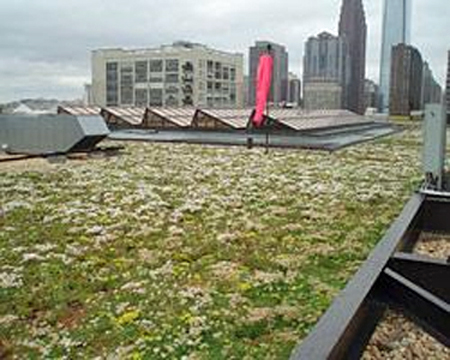
Figure 4. PECO Main office Building, Philadelphia. 43,000 square feet. 3 inches of lightweight green roof media, unirrigated. Established from pre-grown Sedum Mats. Installed over Sarnafil PVC membrane. Green Roof design by Roofmeadow. Roofing by Sika Sarnafil. Competed winter 2008.
8. Mitigation of Wildlife
Vegetative roofs will attract wildlife. This is not desirable on an extensive vegetative roof, which is not designed to support these habitats. Insects, spiders, snails, birds, and rodents (rats, mice, squirrels) all promote damage to the soil, plants, and roof materials, as well as create potential safety issues to maintenance personnel. Consult with local experts on native pests and mitigation techniques, prior to pest control measures. Sustainable pest management practices shall be employed before consideration of pesticides.
Because of the relative isolation of vegetative roofs and their often exposed environments, these roofs should not be looked to as a replacement for lost native habitat. Rather, extensive vegetative roofs contribute to increasing the visual encounter of urban dwellers with nature.
(For Intensive Vegetative Roofs, wildlife may be desirable. However, this instruction does not address the specificity of this type of vegetated roof environment.)
9. Cost/Benefit
At present only vegetative roofs that receive favored treatment and generous financial incentives will be able to show a positive return on investment. While it is true that cities with combined sewer outflow problems can (and do, in Germany) release large financial benefits from using vegetative roofs to manage urban runoff, these savings must be transferred to property owners in the form of incentives for a vegetative roof to 'pay its way.' There are several cities in the United States where incentive packages make vegetative roofs financially attractive for developers.
Applications
A. Design Factors
There are many interactive factors that vegetative roof designers must take into account, balancing many considerations for optimal performance in each setting, including:
- Climate, especially temperature and rainfall patterns.
- Strength of the supporting structure.
- Size, slope, height, and directional orientation of the roof.
- Type of underlying waterproofing.
- Drainage elements, such as drains, scuppers, buried conduits, and drain sheets. Flashing details. Details for penetrations.
- Work on existing buildings where there are occupancy and/or phasing issues.
- Prevention of pest intrusion.
- Accessibility and intended use.
- Visibility, compatibility with architecture, and owner's aesthetic preferences.
- Fit with other sustainable systems or renewable technologies, such as solar panels, or "cool" (reflective) roof systems.
- Cost of materials and labor.
- Local fire code restrictions.
- Wind uplift forces.
- Design life.
- LEED considerations.
- Substrate provided.
- Building movement.
- Construction sequencing.
- Odors generated.
- Snow loads and overburden loads.
- Orientation of the building as it relates to surrounding buildings and shading.
- Security and fall protection.
- Combined warranty/maintenance period, and follow on warranty
- Required maintenance.
During the design process, several professionals on the design team may need to participate. Besides the Architect and the structural engineer, participation by a landscape architect and a soils consultant may be required. The compatibility of the vegetative roof assembly, fertilizers, natural pest mitigation and chemical pesticides (not recommended) with the waterproofing or membrane roofing is a critical design consideration, and consultation with waterproofing or roofing system manufacturers is usually necessary.
Origination of the soil medium is very important, to understand the potential risks of transporting destructive or non-native pests to a vegetative roof environment (example: engineered soils may originate in the Southern U.S. Native fire ant eggs, larvae, or adults may be transported to other locations where they are not native, but always considered a safety risk and a nuisance.)
Standard landscaping work considers plant hardiness; tolerance for sun and shade; and preference for wet, dry, rich, poor, alkaline, or acid soils as the major concerns to influence plant selection. Vegetative roof assembly design must consider important additional factors such as the loads of saturated growing media and mature plants on building structure, the effect of wind and erosion on lightweight growing media elevated above normal grade, the temperature of the growing media around plant root systems, the depths of the growing media appropriate for plant root systems, and the risk of brush fire posed by seasonal or drought-condition dieback of some plant varieties if they are unattended. The last factor explains why succulents, which retain water in their leaves, are often used in vegetative roofs.
B. Integration with Green Design
Vegetative roofs can be designed in conjunction with solar panels, and also work very well in combination with other 'low-impact' development measures, such as infiltration beds, rain gardens, bio-retention systems, cisterns and rain barrels. It is commonplace in Germany to find large developments that have zero runoff discharge. In these developments, rainfall is captured on the vegetative roofs, returned to ground water through infiltration, and re-used for irrigation, toilet flushing, etc.
C. Examples of Extensive Green Roofs in North America
Forty years of German experience and research indicates that extensive vegetative roofs will succeed in most climates, if properly designed. With appropriate plant selection, sufficient drainage, and adequate structural support for the additional dead weight, vegetative roofs can survive winter ice build-up and potential summer droughts. In North America, examples of extensive vegetative roof projects are present in all climate zones.
Because the few North American roofs that have been built to date demonstrate such a wide variety of settings and approaches, it is impossible to highlight "representative" case studies here. However, many updated case studies of vegetative roof projects, including both extensive and intensive designs, are available at Green Roofs for Healthy Cities.
D. Waterproofing, Protection Course, Leak Detection, Root Barrier, and Insulation
1. Waterproofing Membrane
Many premium roofing and waterproofing materials have been used in combination with vegetative roof installations. These include, but are not limited to polyvinyl chloride (PVC) ethylene propylene diene monomer (EPDM), modified bituminous sheet roofing membranes with liquid membrane deck prep, hot fluid-applied polymer-modified rubberized-asphalt waterproofing membranes, and other proprietary roof membranes available that the design team may consider with proper investigation.
Other materials are likely to enter the industry as their suitability is proven in certification testing and prototype installations. However, in general, the membrane or the membrane combined with the root barrier used in all vegetative roof applications should exhibit the following properties:
- High puncture resistance.
- Resistance to chemicals (e.g. fertilizer).
- Low water absorption.
- Low vapor transmission.
- Be approved by the manufacturer for use with ponded water.
- Be certified as passing a rigorous test for root penetration and biological test (existing recognized procedures are FLL and the Swiss Insurance Agency) if the assembly does not include a root barrier. Most EPDM and asphaltic membrane manufacturers require a root barrier. It is recommended that a root barrier protect all membranes.
- Have a track record of use as waterproofing in buried applications.
- Have manufacturer-approved details suitable for the conditions on the project.
- One source warranty from waterproofing through vegetation.
Worldwide, modified bituminous membranes, PVCs and hot fluid-applied rubberized asphalts are the most common. Many of these installations have now been in place for over 30 years.
Interfacing of different systems is challenging and requires careful thought and attention to detail. Where possible, the designer should consider the use of a single manufacturer for the interfacing systems. When joining systems of differing manufacturers, issues arise related to compatibility of products, warranty extents, long-term durability, and detailing concerns that could be avoided with a single manufacturer.
Selection of membranes for waterproofing would prioritize systems compatible with a fully adhered waterproofing membrane, protection course, root barrier, drainage layer, moisture-resistant insulation, aeration layer, moisture-retention layer, reservoir layer, and filter fabric layer. Preferably, these components are installed above the membrane in a protected membrane roof assembly (PMR) often referred to as an inverted roof membrane assembly (IRMA) as follows:
-
If the deck is reinforced concrete, use reinforced, minimum 215 mil thick hot fluid-applied rubberized asphalt, applied directly to the deck, in a protected membrane roof assembly (PMR) often referred to as an inverted roof membrane assembly (IRMA). Many waterproofing experts recommend this membrane as the premiere waterproofing product, especially where there is an overburden (planting or paving) that is expensive to remove and where the spaces beneath are of importance. The use of an adhered membrane prevents leaks from migrating laterally from the course of entry. If the deck is a steel deck, appropriate roof substrate sheathing (i.e., gypsum based boards, plywood) may be secured to the metal deck and the fully reinforced rubberized asphalt membrane applied to the surface. In many cases, the joints between substrate boards will need to be pre-detailed with rubberized asphalt membrane and appropriate reinforcing prior to the full membrane application). Odor management during installation should be a consideration in the use of this system.
-
A second choice would be two layers of modified bituminous rubberized asphalt cold-applied self adhering (use low VOC cold adhesive or there could be adverse effect on plants) membrane, set in liquid rubberized asphalt with aromatic isocyanurate polyol liquid waterproofing membrane.
-
A third choice would be cold liquid-applied polyurethanes. These systems are fully bonded to the deck.
-
A fourth choice would be a composite thermoplastic waterproofing membrane with an active polymer core and sealed seams. Note that some asphalt-modified polyurethanes exhibit variable permeance due to thickness variations in installation: Too thin can lead to osmotic permeance and blistering. Too thick can lead to exotherming.
-
Conventional (non PMR) configurations are sometimes employed with the insulation below the membrane. In these instances where the designer prefers the conventional configuration, membrane preferences should be either 80 mil reinforced PVC or 90 mil reinforced EPDM with all seams sealed and taped. Unlike IRMA roofs these systems have the drawback that they do not position the roof membrane directly over a permanent or semi-permanent substrate and typically do not provide insulating assemblies that are highly resistant to water and physical damage. These roof designs cannot prohibit or highly discourage the entrapment of water within the roof assembly and the membrane and insulation design is not conducive to in-place reuse or recycle in future roof iterations. A conventional configuration may be somewhat more desirable in warmer climates, where the addition of a vapor retarder below the insulation would not be required. See the discussion below, under Insulation regarding vapor barriers. Note that as of this writing a conventional configuration is required by some insurance underwriters.
The first objective is to design to avoid leaks. Construction oversight must find constructed leaks. Existing roof substrates must be inspected for leaks. The easiest leaks to find are when a membrane is fully bonded to a concrete substrate, as it is nearly impossible for the leak to travel horizontally under the membrane.
Although some membrane manufacturers assert that their waterproofing membrane products perform simultaneously as root barriers, a root barrier should always be installed over a waterproofing membrane with vegetation above.
Matrix of Waterproofing Systems (in order of preference)
| System Type | Pros | Cons |
|---|---|---|
| Reinforced hot fluid-applied rubberized asphalt |
|
|
| Modified bitumen set in liquid rubberized asphalt |
|
|
| Liquid-applied polyurethane |
|
|
| Composite thermoplastic membrane with an active polymer core |
|
|
| Conventional (non PMR) single-ply membrane |
|
Provide for proper waterproofing terminations and counterflashing at or (preferably) above grade, either lapped into through-wall flashing at the backup wall or (where this is not possible) tucked into flashed reglets at the face as required by the specific material supplier/manufacture. Refer to referenced NRCA manuals for guidance. Test substrates and adjacent materials for bond and compatibility. The dryness of concrete substrates can be tested with simple poly tests (ASTM D4263) for moisture content. Peel test initial applications for proper bond to the substrate. In certain conditions such as when vapor drive is to the interior or when a concrete deck has been given a smooth finish, the results of the ASTM D4263 test procedure may not result in condensation being visible on the underside of the plastic sheet even though the concrete slab may be relatively wet. In such cases, a drilled-in moisture probe will give the relative humidity in the concrete, but it is not known at this time what relative humidity is acceptable. The roofing industry is looking into this. There is also a concern in the roofing industry that structural lightweight concrete decks may retain a high relative humidity for an extended period of time and could thus adversely affect the installed waterproofing membrane.
Caution is urged regarding the use of single ply roof membranes manufactured in the United States in vegetative assemblies. US materials should not be justified based on European precedents. There are substantial differences between the actual products and installation and climate and very different performance results. Be sure that the membrane is the EXACT same in every way to the physical characteristics and manufacturing as in the European precedent. Also, the designer should verify that all of the conditions of the climate, adjacent materials, and substrates are the same. Finally, is the quality of construction the same?
As noted in ASTM D8014 Standard Guide for Selection of Membranes Used in Vegetative Roofing Systems, "exposed surfaces of the roofing/waterproofing membrane system (e.g. flashings and penetrations) may become the most important factor in determining the longevity of an installation. Consequently, consideration should be given to providing protection for all surfaces of the roofing/waterproofing system. For instance, membrane flashings should be protected with a durable and U-V resistant protection layer or counter-flashing."
Consider adding a drainage mat directly above the root barrier, to promote removal of water above the membrane. This mat should be of an interwoven type, rather than dimpled or high-hat, to limit the loss of R-value due to the presence of the mat. It should have a compressive strength suitable to carry the loads above (minimum 20,000 psf).
The use of electric leak detection (see below) is recommended for all systems. Electric leak detection can precisely locate the source of leaks below the planting system. The leak detection wiring can be left in place so that leaks can be located in the future, without requiring overburden removal, though the presence of a root barrier or vapor retarder within the roof assembly may limit its effective use. Some manufacturers require the detection system to be left in place in order to include overburden removal in their warranties. Where leak detection wiring remains, maintenance requirements shall include inspection and care of these systems.
Insulation should be multi-layered extruded polystyrene (XPS) foam for PMR systems. The compressive strength of XPS should be based on the expected loading requirements, such as the weight of saturated growth medium, plants and vehicles; however, a minimum of 40 psi compressive strength should be used. All seams in insulation layers should be staggered from the layers above and below by a minimum of 6 inches. It is recommended (and required by some insulation manufacturers) to include an aeration layer in direct contact with the insulation board in order to maintain long-term thermal retention.
For both the PMR configuration and the conventional roof configuration, providing at least a minimum code compliant slope to drain, typically 1/4 inch per foot (2%), is always recommended. The "ideal" balance between a swift release of excess water, which is beneficial, and the risk of damage/degradation of certain materials, which is undesirable, should be sought. Steeper slope (up to 4%) may help with drainage and may help reduce ponding, which could be desirable for wood or light steel framed systems susceptible to excessive deflection. In accordance with NRCA, verify that deflection allowable under the structural design does not result in ponding. Verify that local code, membrane manufacturer or owner's standards do not require steeper slope. Benefits of steeper slope are offset by excessively thick insulation (if tapered insulation is used), increased number of roof drains with increase in associated piping, and potentially higher perimeter walls or parapets.
As noted ASTM D8014 Standard Guide for Selection of Membranes Used in Vegetative Roofing Systems, "vegetative roof systems can be adversely affected by either excessive or insufficient drainage capacity. The first concern of the designer when addressing drainage should be to insure that the system can efficiently percolate and discharge the underflow associated with mandated design storms. Unless specifically designed to generate surface runoff, vegetative roof systems should not experience ponding or surface flow when subjected to rainfall events that would be normal for a typical year. All drains and scuppers should be protected from clogging caused by accumulation of foliage or debris. Conventional 'beehive' or 'bonnet' strainers are not suitable for this purpose. Chambers with removable lids are recommended for use at all drains and scuppers. Surrounding all drains and scuppers and depressions where underflow concentrates, coarse stone aggregate should be placed to facilitate percolation and horizontal flow toward the drainage facilities. The second concern of the designer should be to avoid excessive drainage of the vegetative roof system which may lead to perennially stressed conditions for the plants and, in extreme conditions, plant mortality."
In all instances, materials, methods of installation and quality assurance/quality control procedures must be more stringent when vegetative roof installation is involved. Waterproofing materials cannot withstand decades of root and biological attack unaided. Provide a root barrier, as discussed elsewhere, to protect the membrane. For information and standards pertaining to waterproofing materials, consult the National Roofing Contractors Association (NRCA) or ASTM International (ASTM).
Matrix of Extensive Roof Waterproofing Systems
| Configuration: | Organization: | |
|---|---|---|
| FM Global | NRCA | |
| PMR Concrete Deck Steel Deck |
X See note 1 X See note 2 |
√ √ |
| Conventional Roof Concrete Deck Steel Deck |
√ See note 2 |
X X |
Note 1: FM Global requires 8 inches of growth media with a PMR configuration (see section 2.2.3.2.2 of FM 1-35). Hence, they do not allow an extensive vegetative roof in this configuration, because an extensive vegetative roof is less than 6 inches thick, by definition. FM Global is approving vegetative roofs for fire resistance (mostly sedums), but not for wind uplift as of this writing.
Note 2: FM Global allows a vegetated roof over a steel deck with an appropriate FM fire test and suggests (par. 2.2.12.2 of FM Loss Prevention Data Sheet 1-35) that vegetated roofs be evaluated for interior fire exposure (as regards a Class I or Class II rating) in the same manner as for conventional roofing systems on metal deck.
For more information on waterproofing systems, refer to the Below Grade Systems chapter of the Building Envelope Design Guide.
2. Protection Course
A protection course (PC) is typically only required for hot fluid applied systems. This is typically a modified bitumen (MB) base ply approximately 80 mils thick with a sanded surface. This MB ply gets embedded into the top layer of hot fluid applied membrane while the membrane is still hot and tacky. This PC becomes integral with the membrane forming a very robust monolithic system. Other materials, provided they are compatible with system components, may be used for a protection course such as: asphaltic boards, (1/8" or 1/4" thick, typically 4 by 8 foot sheets) and extruded polystyrene boards or PVC sheets, as applicable for the waterproofing membrane system (e.g. do not use asphaltic board with PVC membranes).
3. Leak Detection
Verify the integrity of the waterproofing membrane prior to installing the overburden. Leak detection should always be performed prior to the installation of protection boards and non-conductive root barriers to allow more precise location of leaks.
Inexpensive methods for locating damaged waterproofing are available. These include spray testing, standing water flood testing, flowing water testing and the electric leak detection procedure. The latter can sometimes even locate leaks underneath overburden that is not too deep.
A standing water test can be conducted by plugging the drains and creating dams to contain water to a depth of 2" minimum at the high point for 24–48 hours. See ASTM D 5957 for guidance. For existing roof substrates, verify roof detailing exists to accommodate this test method. Also, care must be taken so the weight of water retained does not exceed the load-carrying capacity of the structural deck.
A flowing water test is conducted by applying a continuous flow of water across the entire membrane without plugging drains for a period of 24–48 hours.
Electric leak detection is the preferred method of leak detection where scope and funding allow. Low and high voltage leak detection methods are available. There is, and probably will continue to be, disagreement as to which method is better. Some of the pros and cons are given below. Electric leak detection provides the precise location of leaks, but is generally not acceptable for use with black EPDM membranes due to the high conductivity of carbon black in the membrane.
Low Voltage (LV) Testing: With LV testing the surface of the roof membrane is moistened (not flooded) to create an electrically conductive medium. A conductive wire loop is laid out on the membrane around a section of the area to be tested. The wire can be left in place, so that the roof can be retested for leaks after installation of overburden. LV testing can be done in the rain. However, elements such as roof drains may need to be inspected and tested separately because they must be isolated from the electric leak detection process. If a vapor retarder is part of the roof system, it may limit the effective use of low voltage testing. Also, concrete decks m ay not be able to be tested if a PMR/IRMA system is used or a conventional configuration that is not mechanically fastened is used, unless a stainless steel grid screen is installed on the deck, below the membrane, to create a conductive field.
High Voltage (HV) Testing: HV testing may take less time to perform compared to LV testing. Also, areas immediately adjacent to elements such as drains can be tested. The membrane must be dry. Laps may be more difficult to test than with LV testing. As a result, white EPDM may be difficult to test, as well as black EPDM. Care must be taken not to damage the membrane due to the high voltage. Tests must be run and baseline readings taken to calibrate the equipment to prevent damage.
For more information on leak detection systems, refer to the WBDG Resource Page on Membrane Integrity Testing.
4. Root Barrier
Typically, root barriers are in the form of HDPE (high density polyethylene) or reinforced PVC. Depending upon the selection of plants, this membrane is between 10 mils to 30 mils thick. If there are laps they should be thermally fused. In the case of certain highly aggressive plants, a minimum 60–mil thick HDPE with welded seams should be utilized. Bamboo should not be used on a vegetative roof, due to the rhizomes (tips) that can penetrate many root barriers.
In some cases, the manufacturer of the MB Protection Course will infuse this layer with a root-inhibiting chemical, such as copper hydroxide. However, there is some evidence that, over time, these chemicals will breakdown, which reduces effectiveness, and leach off the roofs into the receiving runoff. Copper hydroxide root barriers are banned in several European countries and Canada.
5. Insulation
Insulation should be located above the membrane, at least in cold climates or with high-humidity occupancies. In cold climates and with high humidity occupancies the need for a vapor retarder below the insulation would thereby create two vapor retarders (the waterproofing and the vapor retarder below the insulation). It is recommended to avoid two vapor retarders because any water that might get between them would be trapped and not be able to dry outward or inward.
It is suggested that the designer either perform a dew point analysis or refer to the NRCA Roofing and Waterproofing Manual for design calculations to determine if a vapor retarder below the insulation is required. The safest route is to locate the insulation above the waterproofing membrane in a protected roof membrane (PRM) or "IRMA" configuration, thereby avoiding the issues related to double vapor barriers. When necessary, multi-level drains to capture water from both the surface of the vegetative roof or ballast or paving and from the surface of the waterproofing membrane.
Use only extruded polystyrene insulation because it does not absorb water, especially if (when) the insulation is located above the waterproofing membrane as is recommended above. Boards need to be specifically manufactured for this application. To account for the R-value reduction due to the minor water absorption that occurs in PMR roofs, it is recommended that the designer reduce the board's initial R-value by 10%.
E. Moisture Retention / Drainage Composites and Filter Fabric
1. Moisture Retention / Drainage Composites (Panels)
The primary function of these composites is to retain and store water for future evapo-transpiration for the plants. These composites consist of a high-strength dimpled water-retention polymeric core laminated with a top soil filter fabric and bottom protection fabric. They retain various amounts of water, based on their design and thickness ranging from 0.06 gal/ft² to 0.16 gal/ft².
2. Filter Fabric
A separate filter fabric is not needed when using a Moisture Retention / Drainage Composite that integrates a filter fabric. A separate filter fabric must be added for: 1) Moisture Retention / Drainage Composites that do not include a topside filter fabric, or 2) aggregate drainage layers, or 3) Moisture Retention / Drainage Composites that are designed to be in-filled with drainage aggregate. The primary function is to keep fines from the growing media out of the drainage layer below.
This fabric is typically a non-woven polypropylene or polyester geotextile that is non-biodegradable, tear resistant and has high water permeability. Fabric should also be used to protect flashing membranes from direct contact with media at perimeters and penetrations.
Non-woven filter fabrics should not be used where the growing media has a high clay content, as the non-woven material can get clogged, thus impeding water flow. Where the growing media has a clay content greater than 15%, a woven filter should be utilized, due to its superior capability to filter fine materials without clogging.
F. Plantings
1. Introduction
To quote Edmund and Lucie Snodgrass from their book, "Green Roof Plants," "their benefits notwithstanding, vegetative roofs present a number of challenges that must be understood and addressed if they are to succeed in North America as more than high-end amenities or environmental anomalies. First, the paradigm must shift away from thinking of vegetative roofs as 'regular' gardens, only elevated. They are not like regular gardens; unlike natural landscapes, vegetative roofs have no equivalent in nature. They are engineered, fabricated systems and thus present unknowns for most landscape designers, architects and installers."
2. Growing Media
The growing media should be a well-drained engineered mineral soil and must be carefully designed for grain-size distribution, void ratio, moisture retention, etc. Aged compost should have been covered to protect it from weed seeds. In cold climates the media should also be resistant to breakdown from freeze/thaw. The organic matter content should be based on the manufacturer's recommendations for the climate conditions, plantings and specific application. Variation can exist from project to project. No two manufacturers or installers will recommend exactly the same system for the same project. Due diligence is highly recommended.
3. Irrigation
In many areas of the United States it is possible to design vegetative roofs without irrigation. That being said, it is essential to provide hose bibs where an irrigation system has not been used in case irrigation should become necessary. Even in arid climates, the demand for irrigation water can be greatly reduced by introducing water at the bottom of the vegetative roof profile. However, during the 2-3 year establishment period, most plants will require water to be introduced at the top or near the top of the profile until the root system becomes more fully extended. Spray irrigation should be avoided, except as a temporary means of irrigation during establishment or during emergency drought conditions. The design of the vegetative roof profile should encourage plant roots to grow to the base of the profile. Filter fabrics should be 'root permeable.' The total thickness of the profile should not exceed the natural root depth of the plants selected for the plant community.
-
Given the misunderstood maintenance requirements for roofs, it could be argued that a permanent irrigation system is more efficient than random hand water by untrained building maintenance personal (which is often the case).
-
A properly adjusted irrigation system (by experienced installers) will almost always be more efficient than hand watering technique, if hand water is ever done. Where permanent irrigation systems are installed, include inspection and repair provisions in the ongoing maintenance.
-
In every project case, both from the client's expectation, regional location and site-specific issues should be considered when talking about irrigation and it potential implementation. The question that should always be asked...Is it better to use some water, through proper irrigation layout and design and control/clock settings, to maintain a vegetative roof to gain all the benefits of vegetative roofs, or not use any at all and have a dead, brown, vegetative roof? A dead roof does nothing.
4. Vegetation
Also from Snodgrass, "Since extensive vegetative roofs are traditionally non-irrigated and consist mostly of lightweight, inorganic medium, a plant specification list for a vegetative roof is quite different from one for a ground-level garden. This point cannot be overstated; most herbaceous perennials, including natives, that otherwise might work well for the hardiness zone of a given roof still will not be suitable for a vegetative roof microclimate. In addition, the average inorganic vegetative roof medium will not support most large root systems or their nutritional requirements, further limiting plant choices to those with shallow root systems and an ability to store water."
All vegetative roof planting plans should include drought-tolerant ever ground-covering plants. Varieties should be selected that are adapted to the particular climate, keeping in mind that conditions on roofs are more severe than on the ground. In general, initial plant densities should be greater than recommended for similar ground plantings. In temperate climates, varieties of Sedum are particularly well adapted for this purpose. Different ground-covering plants that may appropriate in other climates include species of: Potentilla, Carex, Phlox, Delosperma, Crassula, Portulaca, and Aloe. In some instances it will make sense to establish a stable ground cover before introducing other plants. To provide a vigorous multi-seasonal ground cover and to minimize problems associated with disease, insects, or climatic stresses, it is best to avoid large drifts of a single species.
There are four methods for establishing plants: direct seeding, plug planting, pre-grown mats, and modular systems.
-
Pre-vegetative Mats (most preferred.) Depending on the plant varieties, density of planting, care during establishment and time of year, it will take a 3 to 6 month growing season to propagate pre-vegetative mats. Suppliers of pre-vegetative mats keep standard plant selections in inventory. These can often be purchased on short notice. However, sufficient time for propagation must be provided when custom plant selections are desired. Many plants are not suitable for propagation in mats because they cannot tolerate the harvesting and shipping process. Sedum is particularly well adapted for establishment using mats. It is common practice in the production of pre-vegetative mats to mix fast covering varieties with smaller quantities of slower growing, but more rugged, varieties. The slower growing plants will eventually dominate. Typical pre-vegetative mats are 3/4 to 1–1/2 inches in thickness and range in size from 2 square feet to 25 square feet in area. The mats incorporate a fiber, fabric or mesh reinforcing layer which prevents them from disintegrating during shipping and handling. Pre-grown mats can be installed in association with any vegetative roof assembly type. For best results, mats should be well integrated with the underlying soil (avoiding bridging of the mats and air pockets) and irrigated regularly during the first growing season.
-
Direct Seeding Method. Some succulents, including Sedum, can be established from stem pieces (cuttings). Each node on the stem can generate roots that will grow into the soil. In mild weather and with the assistance of temporary irrigation, Sedum cuttings can be relied on to generate a uniform ground cover. Other plants can be established from seed. These include Allium, Chrysanthemum, Talinum, Dianthus, Achillea, and Phlox, as well as many grass varieties. In many instances seed and cuttings may be sown together. The designer should consult the nursery or plant provider for appropriate seasonal planting windows. When using the direct seeding method, it is very important to provide a surface protective layer that will reduce desiccation and protect the media and young plants from wind scour. Examples are hydro-mulch, plant fiber blankets, and photo-degradable netting. Uniform foliage cover should be achieved within 2 years in most cases. Be sure that cuttings are not budding or in flower; the plants will be putting much of their energy into reproducing and will not root as readily.
-
Plug Installation. There are many plants that cannot be reliably established from cuttings or seed and which are also not suitable for the production of pre-vegetative mats. For these plants, plug installation is the only option. Also, in order to increase plant diversity, plugs can be installed into a foundation ground cover established using direct seeding or pre-vegetative mats. The survival rate is generally better when starting with plugs than with larger plants (e.g., quart- or gallon-sized plants). For extensive vegetative roofs, 3–inch deep plugs are ideal. Roots should be dense and extend the full depth of the plug. A minimum initial planting density, in most cases, will be two plugs per square foot. More plugs, up to about 4 plugs/square foot, will increase the rate of development of full plant coverage. Plugged installations typically include ornamental varieties and mixtures of perennials. Allow 2 to 3 years for the foliage cover to become fully developed. At least 30% of the plants in any drift should be robust ground covering varieties or native grasses. Plugs should be propagated in sterile nursery medium, according to the plant provider's recommendations. It is not necessary or advisable to start plants in growth media. In temperate climates temporary irrigation may not be necessary. Most plugs can be safely installed after the ground is not frozen in the spring up to about one month before the anticipated first hard freeze in the fall.
-
Modular- or Tray- Systems: Modular, or tray, systems provide small units (usually 4 to 8 square feet per module) with pre-installed media, accessory components, and plants. Their use is limited to very controlled applications, due to the increased need for maintenance. The use of the trays greatly increases the plastic surfaces areas that retain heat. This causes the soil to dry out faster, causing more plants replacement. This drying action increases the water flow, which causes a decrease in storm water mitigation. Modules may be established at the nursery using the direct seeding or plug installation method. Some nurseries will ship the modules immediately after they are planted. Others will deliver modules with the plants fully 'grown out.' Custom plant selections will require 4 to 12 months for propagation, depending on the variety. Modules will require regular irrigation during the first growing season.
G. Ancillary Aspects
1. Slope
The minimum slope required by the International Building Code is 1/4 inch per foot. An ideal slope would be somewhere around one inch per foot. On a roof that is too flat, inadequate drainage can lead to damage to the membrane and plants. On the other hand, a steep slope will provide better drainage, but can lead to slippage of materials.
2. Steep Slope Roof Installations
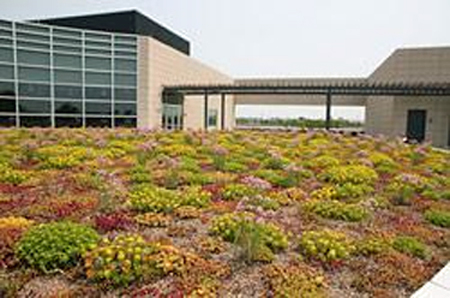
Figure 5. AMCOL International Building, Hoffman Estates, IL
To install extensive vegetative roof covers on pitches steeper than 2.5:12 (12 degrees) supplemental measures will be required to prevent sliding instability. Varied building systems have been developed to support vegetative covers on steeply pitched roofs. Pitched roof systems sometimes merge into vertical facade vegetative techniques.
The systems used to stabilize pitched roof installations depend on the underlying structural capacity and design, and the steepness of the roof. These systems are typically placed above the waterproofing and are designed to accommodate movement of water through the vegetative roof components. The first level of intervention is to employ a geotechnical matting system (for example, "Enkamat®") that physically ties together the growing media and vegetation roots so the any localized slipping of material is held in check by the mass and friction of the overall assembly.
As roof pitch increases above 4:12, a higher level of intervention is required to transfer the weight of the vegetative roof system to the structural framing system for the building. A professional specializing in sloped roof designs should be consulted for vegetative roofs on pitches steeper than 2:12. These systems are typically "cellular"; a framing or geo-composite material creates void cells when placed, which are then filled with the growing media and planted, creating a "matrix" of reinforcing material and vegetative roof components. Cables or tendons (in tension) within the matrix transfer the pull of gravity on the system upward to the ridge of the roof, where it can be physically tied to the structural frame for the buildings. Several manufacturers also provide rigid cribbing style framing systems that transfer the load downward, and the weight of the vegetative roof "matrix" becomes a compressive load on the eave or parapet of the building. Other methods such as adhered or fastened edging, composite nailers, "stepped" EPS, etc. may also be employed. Consult a structural engineer familiar with this type of construction.
3. Wind Resistance Systems and Structural Loading
Comply with applicable code requirements for loading criteria, typically ASCE 7 and ANSI/SPRI RP-14 Wind Design Standard for Vegetative Roofing Systems. It is recommended to at least follow RP-14, even if not required by code, to establish a minimum level of performance.
Follow the project's structural engineer's advice regarding allowable loads. As noted in ASTM D8014 Standard Guide for Selection of Membranes Used in Vegetative Roofing Systems, "The introduction of a vegetative roof system to a new or existing structure has an effect on both the live and dead loads. The addition of materials over the roofing/waterproofing membrane system associated with vegetative roof systems usually increases the dead load in varying amounts, based on the number, composition, and thickness of the layers of the system. Because of the transient water retention capacity of vegetative roof systems, the live loads may increase as well. In accessible roofs, the live loads created by human occupants should be taken into account. Minimum live load allowances for access by pedestrians, as well as by maintenance personnel apply in most jurisdictions... Consideration of appropriate design loads is the responsibility of the project engineer and should be addressed before the vegetative roof system is designed."
If the project is insured under FM Global, then also comply with FM Data Sheet 1-28. Note that FM tends to assume the most conservative situation, such as requiring that the designer assume that the vegetative cover may have blown off due to lack of moisture content. Given the paucity of reliable data, some designers may wish to also make this assumption based on criticality of performance, expected maintenance and other criteria.
FM Global calls for a minimum of eight inches of vegetative roof media if it is to be used as ballast (FM Data Sheet 1-35, par. 2.2.3.2.2). In addition, the design should use a safety factor of 1.7 for wind uplift calculations based on Data Sheet 1-28. These requirements may be in excess of what would be required if the project is not FM insured.
Where a project requires compliance with FM Loss Prevention Data Sheets, those requirements govern where they are more stringent than those noted herein. Calculations are required to prove that the ballast is adequate in preventing uplift on a project-by-project basis. If the project does not require compliance with FM Loss Prevention Data Sheets, then going less than that noted in Data Sheet 1-35 should be backed up by calculations.
Once plant material is gone and bare media is exposed, perhaps due to drought or lack of maintenance, there is an immediate threat that the soil may begin to blow away and the entire roof can 'unravel.' It is prudent to include netting, or a wind blanket, at least until the plants have established themselves. The plants can grow through the netting, but will hold the soil together. The key to achieve a successful wind protection is devising a way to secure the netting without using staples, stakes, etc., that can pose a risk to the waterproofing. The materials should be resistant to UV (although they do tend to become rapidly concealed by soil and plants).
There is usually a vegetation-free zone (often stone ballast or pavers) at the perimeter of the roof, to prevent scouring, or soil loss and damage. Stone ballast or pavers are also used around roof access and rooftop equipment. ANSI/SPRI RP-14 (Wind Design Standard for Vegetative Roofing Systems) can be consulted for guidance with respect to the design of these zones.
Certain high-wind, hurricane, and typhoon locations should not use vegetative systems without serious consideration of these forces.
4. Wind and Fire Resistance
The wind and fire resistance standards are still under development by the vegetative roof industry and codes/standards organizations. Fire properties of protection boards and thermal barriers over a steel deck or underlayment over a steel deck with a PMR are of particular importance, given the presence of combustible material associated with typical vegetative roof assemblies. Specify that the membranes meet UL or FM Global requirements, and add the vegetative system. The available criteria should be conservatively assessed, and vegetative systems should be reviewed carefully by local building officials.
5. Modular Systems
Modular systems involve installing the vegetative roof system inside plastic trays. Use of these systems does not relieve the designer from responsibility for considering the integrity of the underlying waterproofing system, nor does it make location of damaged waterproofing easier, it does provide cleaner and simplified access and vegetative roof replacement in the case of potential leak repairs. However, these systems can be useful when designing small gardens on residential property or terraced commercial roofs. They also preserve flexibility to re-arrange landscape designs in the future. Owners who wish to engage in active gardening will find modules a convenient way to do this without damage to their homes' waterproofing.
6. Solar Reflectance
Review project requirements for solar reflectance from adjacent buildings, mechanical equipment, photovoltaic panels, etc., that may reflect sunlight onto the vegetative roof. Reflected sunlight may burn localized areas. (Example: Localize burning of plants has been documented as late as September in New England.)
7. Public Access
Public access is not recommended on extensive vegetated roofs, since this roof system is not designed for the live load or disturbance. Limit public access volume and accessible areas. In the accessible areas, provide guardrails to prevent falling and measures to protect the plants from damage.
H. Maintenance and Warranties
Specify a maintenance period long enough to ensure the initial establishment of healthy plants. A minimum two-year maintenance/warranty period should be included in the initial construction contract, to ensure plant establishment, training of maintenance personnel, and thorough remediation of local pest issues. Vegetative roof should thereafter be maintained by trained personnel at least twice a year. Many vegetative installers will only warranty roof with this type of maintenance policy. Take time to understand the installers' warranty.
Provide easily accessible inspection chambers in drainage outlets to ensure that the drainage system can be cleaned of roots, displaced growth media and ballast, dead foliage, and other debris, and otherwise be maintained.
In general, warranties insure the owner against defective products and/or inadequate installation by the contractor. They can cover all products of the vegetative roof installation including the waterproof membrane, root barriers, filter fabrics, growth medium, drainage layers, etc. as well as the workmanship of the installation subcontractors. There are several waterproofing manufacturers that will warrant the entire vegetative roof system, including removal and restoration of the overburden, if they provide all of the materials in the original construction.
Some items to consider regarding warranties on a project-by-project basis:
-
The durability of all components.
-
Are all features regarding the vegetative roof system, from waterproofing membrane to growth medium, being provided by a single-source manufacturer and installed by one contractor? Obtaining all components from one manufacturer ensures that all components will be covered under one warranty and that there will not be disputes over liability in case of an issue.
-
If the various manufacturers and/or contractors are involved, it is important to clearly define the extent of each warranty and what those warranties cover. For instance, does the membrane warranty also include reasonable uncovering and restoring the vegetative assembly in order to perform the warranty work?
- Are plants covered by the warranty? Many vegetative roof warranties do not cover plant survival while some include it, provided the owner also purchases a maintenance package.
Relevant Codes and Standards
In the United States, vegetative roof designs are generally regulated using existing standards for ballasted roofs. The International Code Council (ICC) code, used for guidance by many municipal authorities and referenced by many state codes, recognizes roof gardens and landscaped roofs. It requires that the 'wet weight' of the vegetative roof be treated as an additional dead load. It also supplies live load requirements for maintenance-related foot traffic and for regulated pedestrian access. ICC also provides standards for parapet heights and requirements for railings.
Check with your local code official regarding the local code requirements for vegetative roofs. Also consider compliance with the standards listed at the end of this page.
Trade organizations such as National Roofing Contractors Association (NRCA) are developing guidelines for waterproofing with vegetative roof installations in mind. In addition, ASTM International (ASTM), through the Green Roof Task Group E06.71, is in the process of developing guidelines and testing procedures specifically for vegetative roof products.
At present, the most comprehensive guidelines for vegetative roof construction, especially for growth media, are those developed by Forschungsgesellschaft Landschaftentwicklung Landschaftsbau. e.V. (FLL) in Germany Guideline for the Planning, Execution and Upkeep of Green-Roof Sites (Richlinien für die Planung, Ausführung and Plege von Dachbegrünung). These standards and guidelines include industry standard tests for growing medium weight, moisture, nutrient content, grain-size distribution, etc. for 90% of the climate zones in the United States. But they do not include plant recommendations. The 2008 edition of the guide is available in English. FLL also certifies laboratories to conduct critical tests such as the root penetration resistance of waterproofing membranes. Many vegetative roof products available in the United States have FLL certification. Although its principles apply to vegetative roofs in the United States, its specific recommendations apply to a central European climate.
Standards
ANSI Standards
- ANSI/SPRI RP-14 Wind Design Standard for Vegetative Roofing Systems
- ANSI/SPRI VF-1 External Fire Design Standard for Vegetative Roofs
ASTM Standards
- ASTM E2396/E2396M Standard Test Method for Saturated Water Permeability of Granular Drainage Media [Falling-Head Method] for Vegetative (Green) Roof Systems.
- ASTM E2397/E2397M Standard Practice for Determination of Dead Loads and Live Loads Associated with Vegetative (Green) Roof Systems.
- ASTM E2398/E2398M Standard Test Method for Water Capture and Media Retention of Geocomposite Drain Layers for Vegetative (Green) Roof Systems.
- ASTM E2399/E2399M Standard Test Method for Maximum Media Density for Dead Load Analysis of Vegetative (Green) Roof Systems.
- ASTM E2432 Standard Guide for General Principles of Sustainability Relative to Buildings.
- ASTM E2777 Standard Guide for Vegetative (Green) Roof Systems.
- ASTM D8014 Standard Guide for Selection of Membranes Used in Vegetative Roofing Systems.
FM Global Standards
- Approval Standard #4477 for Vegetative Roof Systems
- Approval Standard #4470 for Single-Ply, Polymer-Modified Bitumen Sheet, Built-Up Roof (BUR) and Liquid-Applied Roof Assemblies for Use in Class 1 and Non-Combustible Roof Deck Construction
- Loss Prevention Data Sheet 1-28 Wind Design
- Loss Prevention Data Sheet 1-28R Roof Systems
- Loss Prevention Data Sheet 1-29 Roof Deck Securement and Above-Deck Roof Components
- Loss Prevention Data Sheet 1-34 Hail Damage
- Loss Prevention Data Sheet 1-35 Green Roof Systems
- Loss Prevention Data Sheet 1-54 Roof Loads for New Construction
Additional Resources
General Information
Non-commercial organizations that can provide current lists of vegetated roof service providers and are a useful source of up-to-date information, include:
| National Agencies and Nonprofit Organizations | Headquarters |
|---|---|
| U.S. Environmental Protection Agency | Washington, DC |
| U.S. Green Building Council | Washington, DC |
| Green Roofs for Healthy Cities Coalition | Toronto, ON, Canada |
In addition, some regional groups and agencies have distinguished themselves in the promotion of vegetated roofs. These include the Earth Pledge Foundation in New York City, Northwest Eco Building Guild™, Green Roof Advisory Group (GRAG) in Austin, TX, Green Roof info Think-Tank (GRiT) in Portland, Ore. and Sustainable Cleveland—Green Building Coalition.
Design and Analysis Tools
The following table provides links to key analysis, simulation, and research evaluating and predicting the performance of vegetated roofs.
| Benefit | Activity | Organization | Contacts |
|---|---|---|---|
| Storm Water Management | Analysis & Simulation | Studio Sustena & Optigrün Intl. AG | Charlie Miller |
| Storm Water Management | Research | Michigan State University | Bradley Rowe Clayton Rugh |
| Research | Water Resources Research Institute of the University of North Carolina System | Sr. Susan White Nicole Wilkinson |
|
| Research | Center for Green Roof Research, Penn State | Rob Berghage | |
| Research | Portland Bureau of Environmental Services | Tom Liptan | |
| Water Quality | Research | University of Applied Sciences Neubrandenburg | Manfred Köhler Marco Schmidt |
| Research | Center for Green Roof Research, Penn State | Rob Berghage | |
| Research | Canadian National Research Council, Institute for Research in Construction | Karen Liu | |
| Research | British Columbia Institute of Technology, Centre for Architectural Ecology | Maureen Connelly | |
| Habitat Creation | Research | University of Applied Science Wädenswil | Stephan Brenneisen |
| Research | Optigrüen International AG | Gunter Mann |
German universities with significant on-going research in the science and engineering of vegetated roofs include (note that all websites are in German):
- Weihenstephan-Treisdorf Fachhochschule
- Bayerische Landesanstalt für Weinbau und Gartenbau (LWG), Veithöchstheim
- Universität Hannover
- Techniche Universität Neubrandenburg
- Universität Duisburg-Essen
Publications
- Building Technologies Associated with Rooftop Greening for Better Environment—The Building Centre of Japan also has a comprehensive and explanatory publication. Portions of the site and document are only available in English, but a translator may be required for the other parts in Japanese.
- Dach + Grün—the most respected vegetated roof publication worldwide, a German language quarterly published by FBB (Fachvereinigung Bauwerksbegrünung e.V.). To subscribe contact Verlag Dieter A. Kuberski GmbH, Postfach 102744, 70023 Stuttgart, Germany (Fax 011-711-2388619)
- Living Architecture Monitor—the most comprehensive English language periodical dedicated to vegetated roofs is published quarterly by Green Roofs for Healthy Cities (GRHC). A quarterly web-based publication, Green Roof Infrastructure Journal, is available to GRHC members.
- Introduction to the German FLL-Guideline for the Planning, Execution and Upkeep of Green-Roof Sites —a brief overview of the FFL guidelines written by Peter M. Philippi of Green Roof Service, LLC.
Books
- Green Roofs: Ecological Design and Construction by Earth Pledge, foreword by William McDonough. Schiffer Publishing, Ltd., Atglen, Pennsylvania, 2007.
- Green Roofs in Sustainable Landscape Design, Steven Cantor, 2008, W.W.Norton [ISBN: 978-0-393-73168-2]
- Green Roof Plants, Edmund Snodgrass & Lucie Snodgrass, 2006, Timber Press [ISBN-13: 978-0-88192-787-0]
- Green Roof Systems, Susan Weiler & Katrin Scholz-Barth, 2009, John Wiley and Sons [ISBN: 978-0-471-67495-5]
- Planting Green Roofs and Living Walls, Nigel Dunnett & Noël Kingsbury, 2004, Timber Press [ISBN: 978-0881926408]
- The Green Roof Manual, Edmund Snodgrass & Linda McIntyre, 2010, Timber Press [ISBN: 978-1-60469-049-1]
- The NRCA Vegetative Roof Systems Manual, 3rd Edition, National Roofing Contractors Association
Manuals
- The NRCA Vegetative Roof Systems Manual. The "bible" for waterproofing under vegetated roofs by the National Roofing Contractors Association (NRCA).
- The NRCA Roofing Manual: Membrane Roof Systems
- The NRCA Roofing Manual: Architectural Metal Flashing, Condensation Control and Reroofing
- The NRCA Roofing Manual: Steep-slope Roof Systems
- The NRCA Waterproofing Manual
- The Green Roof Manual: A Professional Guide to Design, Installation, and Maintenance by Edmund C. Snodgrass and Linda McIntyre.
- Guideline for the Planning, Execution and Upkeep of Green-Roof Sites. Forschungsgesellschaft Landschaftsentwicklung Landschaftsbau e. V. (FLL).
Studies
- Green Roofs for Healthy Cities has an extensive database of papers, searchable by topic.
- Columbia University study, "A Temperature and Seasonal Energy Analysis of Green, White, and Black Roofs," S. R. Gaffin et. al.
- Ghent University study, "Green Roofs for Quietness," Dr. ir. Timothy Van Renterghem and Prof. Dr .ir. Dick Botteldooren.
- "The Stormwater Control Potential of Green Roofs in Seattle," Taylor, B.L., ASCE Conf. Proc. 333, 11 (2008), DOI:10.1061/41009(333)11. This paper summarizes findings from Pacific Northwest monitoring efforts and hydrologic modeling of vegetated roofs in the Pacific maritime climatic region.
- "Conference proceedings from Green Roofs for Healthy Cities—Greening Rooftops for Sustainable Communities," (annual conference and trade show 2004–2009), covering a wide range of research and case studies. Available from www.greenroofs.org
- "Green Roofs for Stormwater Runoff Control," U.S. EPA February 2009, EPA/600/R-09/026
- "Structural Considerations for Green Roof Retrofits," technical memorandum prepared by Magnusson Klemencic Associates, Inc. for City of Seattle Public Utilities department, 2007.
- "Green Roof in the Desert—Tempe Transportation Center Roof Garden," Dr. Vidar Lerum, College of Design, Arizona State University Lab Report, April 7, 2006.
Research
- On water retention: Liescke, 1998; Moran e. al., 2004; DeNardo et. al., 2005; VanWoert et. al., 2005.
- Carbon Sequestration Potential of Extensive Green Roofs, Getter et. al., 2009, Environment Science & Technology Vol. 43, No. 19.
- Green roofs are not created equal: the hydrologic and thermal performance of six different extensive green roofs and reflective and non-reflective roofs in a sub-tropical climate, Simmons et. al., 2008, Urban Ecosystems Vol. 11, No. 4 DOI: 10.1007/s11252-008-0069-4.
Websites
- CETCO
- Columbia Green
- Garden Roof® Assembly—American Hydrotech, Inc.
- GreenGrid Green Roofs
- Greenroofs.com
- Green Roofs for Healthy Cities
- GreenTech Systems
- International Green Roof Association
- Live Roof® Hybrid Green Roof System
- Oak Ridge National Laboratories DOE Cool Roof Calculator
- Plant Connection, Inc.—List of local ordinances
- Studio Sustena (formerly Roofscapes)
- Tremco (formerly BioTray)
Commercial Resources
Vegetated roof covers may now be purchased in conjunction with most conventional waterproofing systems, some of which have been tested by FLL for compatibility with vegetated roofs. There are no known North American tests. At least ten North American roofing companies offer vegetated roof assemblies as standard auxiliary products, and more companies are entering the field all the time.
Software
- RoofNav—RoofNav is a free Web-based tool developed by FM Approvals™ that provides fast access to the most up-to-date FM Approved roofing products and assemblies.
Tools
- GSA Sustainable Facilities Tool (SFTool)—SFTool's immersive virtual environment addresses all your sustainability planning, designing and procurement needs.
NOTE: Photographs, figures, and drawings were provided by the original author unless otherwise noted.